About 3500 years ago, the first five books of the Bible took written form. Over time more books were considered “inspired” by God and were added to the original five. After Jesus arrived, the New Testament books were written.
Nestled between these two Testaments is a group of books called the Apocrypha. And they have been a center of Biblical controversy for 1000’s of years. So what’s up with these books? Why are they found in some Bibles but not others?
WHAT IS THE APOCRYPHA?
The Apocrypha is a collection of books with four basic literary genres: Historical, Religious, Wisdom and Apocalyptic. All the books were written between the conclusion of Malachi in the Old Testament and before the Arrival of Jesus. Perhaps the most famous books in the Apocrypha are the books of I and II Maccabees.
Maccabees, with his father and sons, led a revolt against the Greek Empire to take back the Temple and restore worship of Yahweh. To this day, because of the events revealed in the book of Maccabees, the Jewish people celebrate Hanukkah. Consequently, the book of Maccabees then carries some traditional authority with the Israeli community. The fact that the Israeli community gives a book not in their canon authority over an annual festival should cause any casual critic to pause and consider the possible significance of these deuterocanonical books.
Another book of interest is Enoch. Enoch claims he is the great grand father of Noah. It stands out because the book of Enoch was discovered among the Dead Sea Scrolls. The Dead Sea Scrolls are part of a significant discovery that took place in the 1940’s. They provide archeological proof that portions of the Bible are older than Jesus. For example the entire scroll of Isaiah discovered among the Dead Sea Scrolls predates Jesus by almost 200 years. The Dead Sea Jewish Community known as the Essene was the community responsible for preserving the Dead Sea Scrolls. The Essene community was like a monastery and was very committed to retaining the authenticity of the Jewish Old Testament and its practices. It says a lot about the authorship and reliability of Enoch for it to be discovered among the Essenes. Side note, because of his unique diet and clothing choice, some scholars believe John the Baptist was part of the Essene community.
The Essene community existed around the time of Jesus and a little before. It is likely around this time the Old Testament was “canonized.” The word cannon means “rule” or standard. It is believed around the 1st and 2nd centuries the Old Testament was closed because Christianity was spreading and there was confusion about the Jewish books and the Christian books. Despite some of the books of the Apocrypha holding significance in the Jewish community, the Apocrypha books were not included in the canonization of the Jewish Old Testament. Their absence is significant and would play a role in Luther’s view of which books in the Bible he believed were truly from God.
FORMING THE NEW TESTAMENT
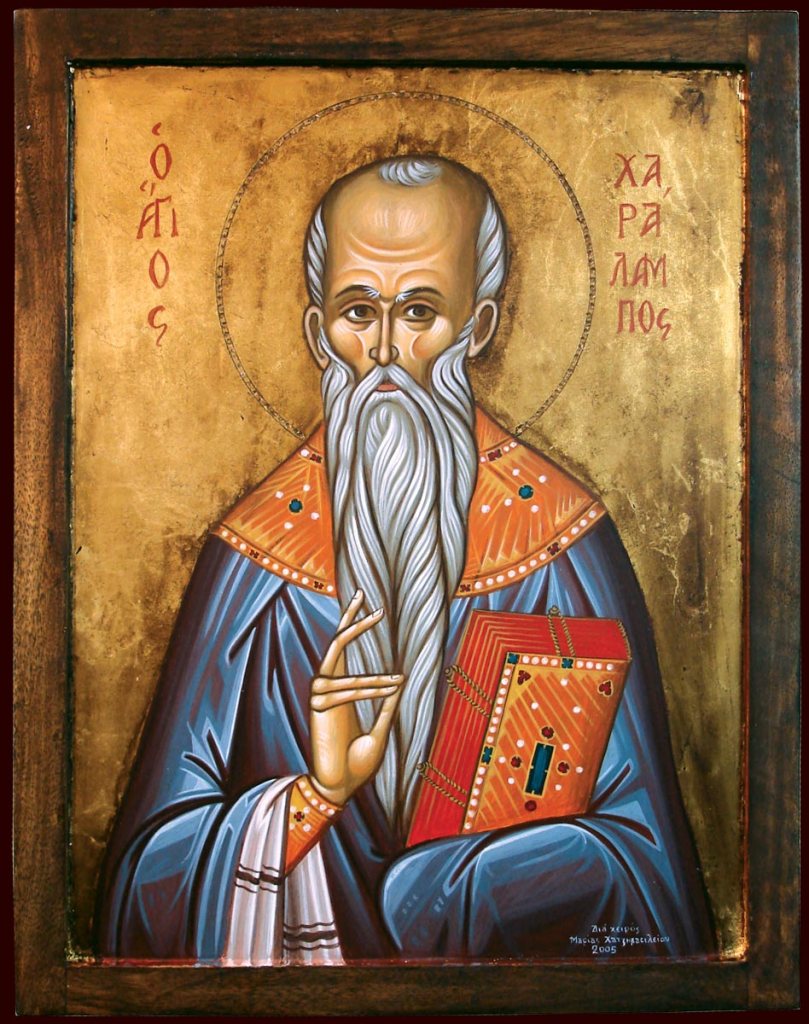
Early Christians would follow the lead of their Jewish contemporaries. Because of the false gospel being spread by a group called the Gnostics, in 170 AD Melito created a list of books he believed legitimately belonged in the Bible. He held three general rules for determining whether a book was authentically written by an Apostle.
- They were proved to be written by the people claimed to write them.
- Considered legitimate by the whole community.
- Shared the consistent message of the Bible.
Melito’s list is similar to the Bibles we have today with one exception, he left out Esther.
Later, around 200 AD, Origin affirmed Melito’s list but added the books of Maccabees.
Due to emerging controversies in 367 Athanasius also created a canon list in which he disagrees with Origin and excludes Maccabees. However, he agreed with Melito and left out Esther.
So it looks like a pretty closed case (with the exception of poor Esther). Based on the early church fathers, the Apocrypha is not to be included in the Old Testament, except maybe Maccabees. Then, everything shifts and the debate over the Apocrypha heats back up because of one very influential church leader and one very influential book.
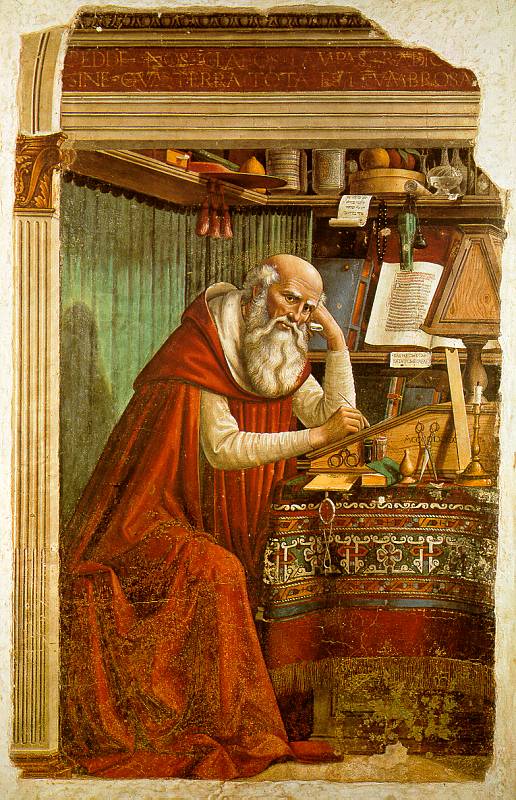
Jerome was commissioned in 382 by the Pope to write the Latin Vulgate, a Bible for the common man. Saint Augustine, a very influential church scholar (he is known by some as the Father of Theology) encouraged Jerome to use the Septuagint, the Greek translation of the Old Testament, to help him translate the entire Bible to Latin. Strangely, the Septuagint contains the complete Apocrypha. So by making this simple recommendation, Jerome felt compelled by Augustine to include the Apocrypha in the Latin translation of the Bible! When he is finished the councils of Hippo, and Carthage all affirmed the Apocrypha as part of the Old Testament. And it would remain this way for over a 1000 years!!
And it probably would have stayed that way if it were not for the “dark ages” of Christendom. During those years the Bible would be used to communicate things that were not true about God and would ultimately lead to a fracture in the church we still live with today.
CATHOLIC ABUSES
In the Apocrypha, the medieval Catholic Church used the book of Tobit 12:9 to encourage works based salvation. It reads, “For almsgiving saves from death and purges away every sin. Those who give alms will enjoy a full life.” The Catholic Church at the time also used II Maccabees as a justification for indulgences (paying money to the church to get people to heaven…it was a very effective building campaign!), it reads, “And making a gathering, he sent twelve thousand drachms of silver to Jerusalem for sacrifice to be offered for the sins of the dead, thinking well and religiously concerning the resurrection.” (2 Maccabbees 12:43).
THE APOCRYPHA REJECTED
These clerical abuses in the name of Scripture, and others were a point of contention within the church and led to the Protestant Reformation. The Reformation was a call for the Catholic Church to return to the “old ways” of understanding the Bible. To get back to the way Jesus would have taught Scripture. Unfortunately, the Catholic Church would not make the necessary changes and so a new tradition of Christianity was formed called Protestantism. Consequently, the leaders of the Protestant Reformation reconsidered the current books being used in the Bible. It was during this time in 1559 the Old and New Testament’s were redefined leaving out only the Apocrypha because it contained verses that were contrary to the message of the entire Bible. And there was some question to the legitimacy of the authors who claimed to have written the books in the Apocrypha.
Since the Protestant Reformation the Apocrypha has been rejected as divinely inspired books in all Protestant churches and Bibles.
What does all this mean for the Apocrypha? Personally, after reading portions of the Apocrypha, I believe they are books worth having around and although as a protestant I believe they are not divinely inspired, they are useful for understanding some history like Maccabees and they are useful for understanding some historical context of the early New Testament.
I would liken them to reading, Orgin or Augustine, they are incredible books and weighty but they are not God’s Word.
The Bible has gone through a lot. And learning this has helped me appreciate the books that are in my Bible even more. They have been through so much scrutiny and persecution, I am even more confident that the Bible we have today is the Bible we were meant to have from God.
 Andrew Werley